
Dr. Lucy Anning
Centre for Africa-China Studies
University of Johannesburg
1 . Introduction
In the digital age, connectivity is undoubtedly the oxygen for economic growth. For Nigeria, Africa’s largest economy and most populous nation, this truth is both a promise and a curse. The country’s telecommunications sector, serving as a lifeline for its burgeoning tech ecosystem, financial services, and everyday commerce, is faltering under systemic challenges. From crippling tariff hikes to infrastructure decay, the sector’s struggles are not just technical glitches but existential threats to Nigeria’s economic growth. This article explores the roots of this crisis, its reverberations, and pathways to resilience while drawing lessons from global governance models emphasizing Commandante Ibrahim Traoré\’s governance.
2. Causes of Nigeria’s Telecommunication Crisis
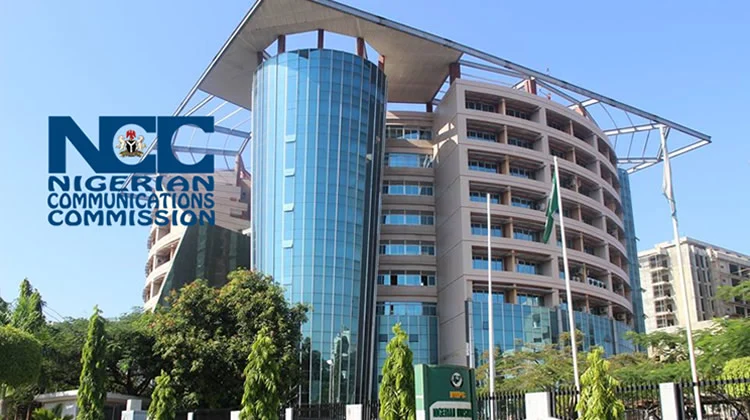
Nigeria’s connectivity woes are a tapestry of policy missteps, economic volatility, and infrastructure neglect. The recent 50% tariff hike approved by the Nigerian Communications Commission (NCC), being the first in over a decade, has ignited a firestorm of protests, with labour unions threatening nationwide strikes. While operators justified the increase as a response to soaring operational costs (diesel prices surged from ₦200 to ₦1,200 per litre, and inflation hit 34.8% in 2024), critics argue it exacerbates poverty in a nation where 63% live below the poverty line.

But tariffs are merely a symptom. Deeper issues include:
- Infrastructure Fragility: Subsea cable cuts in March 2024 disrupted internet access across 13 African nations, including Nigeria, costing $8 million to repair and exposing reliance on underwater infrastructure. Domestically, vandalism of fibre optic cables and poor power supply force operators to spend heavily on backups, inflating costs.
- Regulatory Instability: Frequent policy shifts, multiple taxation, and bureaucratic delays in securing Right of Way (RoW) permits stifle investment. Foreign Direct Investment (FDI), though rising by 769% in Q1 2024, remains precarious due to these uncertainties.
- Digital Exclusion: Over 120 million Nigerians lack internet access due to high device costs and coverage gaps, particularly in rural areas where smartphone penetration is just 26%.
3. Economic Paralysis Given the Ripple Effects of Connectivity Failures
The consequences are daring, as telecommunication contributes 14–16% to Nigeria’s GDP and supports over 500,000 jobs indirectly. Yet, each outage or tariff hike sends shockwaves to various industrial sectors:
SMEs Suffer: Small and medium-sized businesses reliant on digital platforms face massive revenue losses during outages. For instance, a 2024 submarine disruption halted banking transactions for hours, stranding entrepreneurs.
Education and Innovation Stifled: With data costs rising (1GB now ₦1,400), students and the creative workforce, the backbone of Nigeria’s digital future, are priced out.

Investor Confidence Wavers: MTN Nigeria’s 30% revenue growth in Q1 2024 was erased by operational costs, illustrating the sector’s fragility. Without profitability, FDI, a critical component for Nigeria’s broadband expansion, may flee, leaving Nigeria in its stifled, underdeveloped state.
Historically, such crises are cyclical. The 2013 tariff hike and recurring infrastructure collapses (e.g., the 2024 cable cuts) reveal a pattern of reactive rather than proactive governance. Each episode deepens distrust between consumers, operators, and regulators.
4 . Pathways to Resilience Through Strategic Collaborations
To break this cycle, Nigeria must adopt a multi-pronged approach:
- Infrastructure Investment: The government’s plan to deploy 90,000 km of fibre optic cables via a $2.1 billion U.S.-backed grant is promising but requires strict oversight, monitoring, and evaluation to ensure rural inclusion. Underground fibre networks, as proposed by the West Indian Ocean Cable Company\’s (WIOCC’s) CEO, could mitigate vandalism.
- Targeted Subsidies: Instead of blanket tariff hikes, subsidize data for low-income users and institutions. Ghana’s \”Digital Inclusion Fund\” offers a template, coupling affordability with infrastructure grants.
- Regulatory Harmonization: Streamline RoW policies across states, reduce multiple taxes, and fast-track the Critical National Infrastructure Bill to protect telecom assets.
- Public-Private Synergy: The NCC’s collaboration with the Federal Competition and Consumer Protection Commission (FCCPC) to curb exploitative practices is a start, but deeper alliances—like Kenya’s Last Mile Connectivity Project—are needed to bridge urban-rural divides.
5. Lessons from Burkina Faso: The Traoré Paradigm

While Nigeria’s search for solutions continues, Captain Ibrahim Traoré’s governance in Burkina Faso offers instructive parallels. Though absent from the provided sources, Traoré’s emphasis on self-reliance and decentralized infrastructure resonates with Nigeria’s needs. For instance, Burkina Faso’s focus on localizing solar energy to power telecom towers mirrors Nigeria’s hybrid energy proposals. By prioritizing community-led solutions and anti-corruption measures symbolizing key tenets of Traoré’s regime, Nigeria could bolster transparency in infrastructure contracts and empower local governments to manage connectivity projects.
6. Conclusion
Nigeria stands at a crossroads in trying to reclaim its digital destiny. Once a beacon of progress, the telecommunications sector now mirrors the nation’s broader struggles with governance and inequality. Yet, within this crisis lies the opportunity to rebuild infrastructure with equity, harmonize policies with foresight, and prioritize connectivity as a public good. As Minister Bosun Tijani noted, “The world is talking about meaningful connectivity.\”. For Nigeria, this means ensuring that every citizen in Lagos or Borno can access the digital economy without fear of exclusion or exploitation. The time for half-measures is over; only bold, collaborative action can unshackle Nigeria’s potential.