
Dr. Lucy Anning
Centre for Africa-China Studies
The University of Johannesburg
Introduction
The journey of motherhood is a mesmerizing dance between mind, body, and soul, a delicate symphony where each note is played by the emotions, hormones, and physical transformations that shape a woman’s experience. From the first flutter of life within her womb to the quiet moments of holding her newborn against her chest, a mother is both the giver and the receiver of profound physiological and psychological shifts. The mind and body intertwine in an intricate embrace, responding to each other’s cues in ways that science continues to unravel. Yet, in the glow of new life, there exists an unspoken narrative, one that highlights the interconnectedness of physical and emotional experiences, the delicate balance of health, and the avenues to enhance both the prenatal and postpartum journey for a thriving motherhood.
The Interwoven Realms of the Physical and Emotional
Pregnancy is not merely a biological process but an emotional odyssey that redefines a woman’s sense of self. The body expands, organs shift, and a cascade of hormones surges, sculpting new sensations and vulnerabilities. The mind, in turn, interprets these changes, sometimes embracing them with joy, at other times wrestling with anxiety, anticipation, or fatigue.
The weight of an unborn child is not only carried in the womb but also in the heart, where emotions range from ecstatic love to silent apprehension. Stress and fear can manifest physically, tightening muscles, disrupting sleep, or triggering complications. Equally, the comfort of emotional well-being can ease labor pains, regulate blood pressure, and promote hormonal harmony. In the postpartum phase, this bond continues. The sheer exhaustion of sleepless nights, the uncertainty of navigating a newborn’s needs, and the changes in identity can seep into a mother’s physical state, affecting energy levels, immunity, and recovery. A mother’s emotional equilibrium is not separate from her physical healing as it is, in many ways, the pulse that determines its rhythm.
The Multifaceted Foundations of Maternal Health

A mother’s well-being is not sustained by a single factor but by a rich tapestry woven from physiological, psychological, social, and environmental threads. Nutrition becomes the cornerstone of physical resilience, fueling both the developing fetus and the mother’s ability to endure the rigors of childbirth. Hydration, balanced meals, and essential vitamins fortify the body, while adequate rest replenishes depleted energy stores.
Yet, health is not solely dictated by diet and sleep. Emotional support is just as vital. The presence of a nurturing partner, an understanding family, or a network of empathetic mothers can significantly ease the mental weight of pregnancy and postpartum transitions. The absence of this support often gives rise to postpartum depression, a silent struggle that lingers in the shadows of societal expectations.
Hormonal fluctuations, too, shape a mother’s experience. The postpartum drop in estrogen and progesterone, combined with the surge of oxytocin, orchestrates a whirlwind of emotions. If compounded by traumatic birthing experiences or inadequate medical attention, the repercussions can extend far beyond the first few months, manifesting in chronic stress, anxiety, or prolonged recovery. Societal pressures to ‘bounce back’ physically and emotionally further complicate the healing process, leaving mothers in an unspoken battle between self-acceptance and external expectations.
Elevating the Antenatal and Postpartum Experience

Optimizing the journey of motherhood begins long before a child’s first cry and extends far beyond the postpartum weeks. Prenatal care should transcend medical checkups to embrace a holistic approach that nurtures both the body and the mind. Mindfulness practices, gentle yoga, and meditation create a sanctuary of calm, helping mothers-to-be to navigate the emotional fluctuations that accompany pregnancy. Engaging in breathing techniques not only soothes the nervous system but also prepares the body for a more centered and controlled birthing experience.
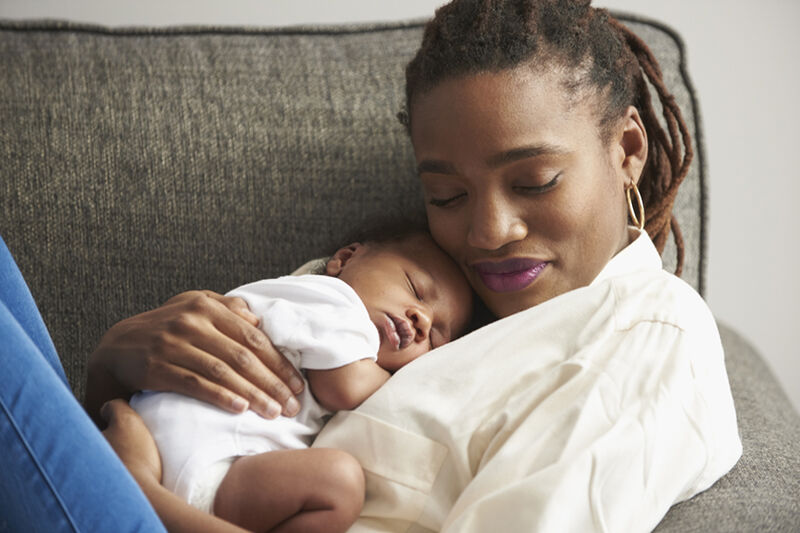
Postpartum recovery, too, must be seen as a continuation rather than a conclusion of care. Skin-to-skin contact, breastfeeding support, and gradual physical movement accelerate healing while reinforcing emotional bonds. Yet, recovery is not merely physical. Encouraging open conversations about the struggles of new motherhood, fostering community support, and advocating for policies that allow extended maternity leave can dramatically shift the postpartum landscape from one of silent endurance to collective empowerment.
Reclaiming rest as a necessity rather than a luxury is equally vital. In a culture that glorifies resilience, many mothers feel compelled to resume responsibilities swiftly, neglecting the body’s need for gradual recuperation. Allowing space for rest, embracing the body’s postnatal transformations with grace, and seeking professional support when needed are all integral in fostering a healthier transition into motherhood.
A Journey of Harmony and Healing

Motherhood is neither a solitary nor a linear path but a mosaic of experiences, emotions, and evolving identities. The mind and body, deeply entwined, speak a language that demands understanding, patience, and care. A mother’s well-being is not determined by a singular moment but by the cumulative embrace of holistic support, self-awareness, and societal empathy. When the prenatal and postpartum experience is honored as a sacred, interconnected process rather than a fragmented timeline, the journey of motherhood transforms into one of empowerment, healing, and profound joy.