
Ms. Fatima Baba Mohammed
Senior Research Fellow,
DevAfrica Institute
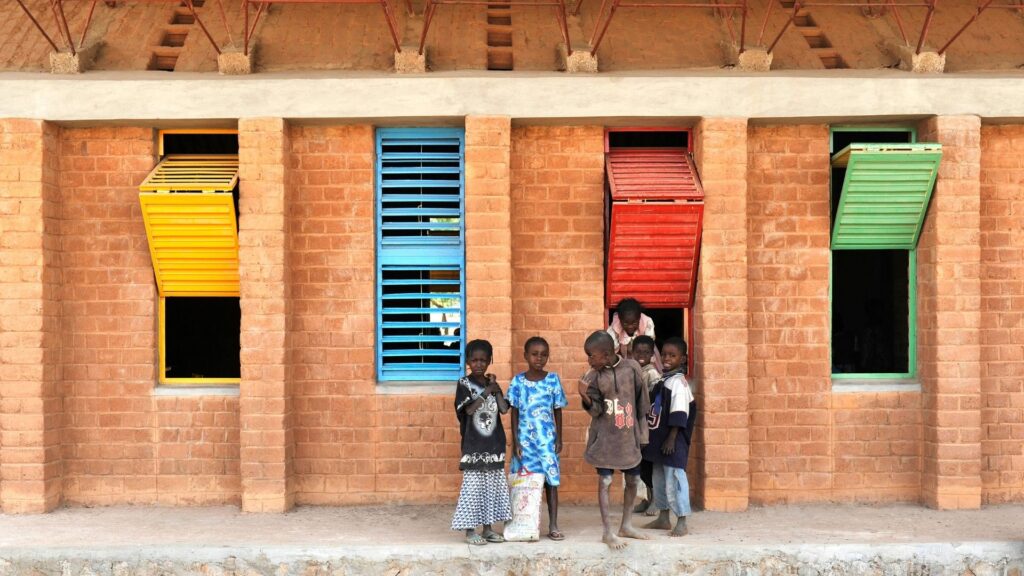
African vernacular architecture encompasses many traditional construction techniques and designs that have developed naturally throughout the African continent over many years. These designs are based on native wisdom, adaptations to local climates, cultural representation, and eco-friendly construction methods. As the globe faces urgent issues like climate change, urbanization, and cultural dilution, the importance of African vernacular architecture becomes more evident. It not only provides eco-friendly construction solutions but also acts as a vibrant archive of cultural identity and community strength.
The Importance of Preserving African Vernacular Architecture
Traditional African architecture goes beyond mere functionality for shelter; it represents a tangible expression of cultural heritage and identity. In numerous communities, the design, arrangement, and building methods of structures reflect deep spiritual beliefs, communal values, and ancestral wisdom. For example, the circular layout of rural settlements in southern Africa represents harmony and permanence (Dioma, Malama, and Munshifwa, 2018).
However, urban development, the incorporation of Western architectural principles, and the pursuit of modernity have led to the sidelining and decline of these traditional styles. In numerous regions of Africa, adobe and thatch have been substituted with concrete blocks and corrugated iron roofs, frequently disregarding environmental appropriateness or cultural consequences Owamoyo, L. & Tabibi, B., 2023). This change endangers the sustainability of local construction methods and also jeopardizes the preservation of indigenous identity.
Sustainable and Environmental Benefits

African traditional structures are naturally eco-friendly. They make use of locally sourced, low-impact materials such as mud, wood, thatch, and stone, which possess much lower carbon footprints compared to industrial building materials. These materials are typically biodegradable and more readily available, which makes construction simpler and better for the environment (UNEP, 2021).
Besides material efficiency, the architectural design methods are suitably aligned with local climate conditions. Dense earthen walls offer insulation from heat, while elements such as courtyards, overhangs, and natural ventilation methods lessen the reliance on artificial heating and cooling. These passive climate-control methods are particularly useful during periods when global energy use in structures keeps increasing (IEA, 2022).
Cultural Significance and Community Engagement

The construction of vernacular buildings is highly communal. In contrast to contemporary construction, which is usually delegated to contractors, traditional African building often engages local craftspeople, elders, and community members. The arrangement and design of areas are shaped by social hierarchies, family dynamics, and collective living habits (C. Mulder, 2023).
This collaborative method not only lowers construction expenses but also enhances community bonds and cultivates a sense of ownership. It encourages the transfer of knowledge between generations and strengthens cultural continuity. Thus, vernacular architecture encompasses more than just buildings; it involves maintaining social unity and identity in a constantly evolving world.
Lessons for Modern Architecture
Modern architects have a lot to learn from the vernacular methods of African cultures. By incorporating methods like natural ventilation, thermal mass, and designs tailored to the site, contemporary structures can enhance their sustainability and climate resilience. Additionally, embracing a participatory design method can guarantee that new initiatives align with the needs, desires, and values of the communities they aim to serve (Onyejegbu, M. N., Okonkwo, U. U. and David-Ojukwu, I. 2023)

Additionally, integrating local design principles into urban design fosters the development of settings that are more inclusive and culturally grounded. For instance, initiatives such as the Makoko Floating School in Nigeria have effectively combined conventional designs with contemporary engineering to address environmental and sociocultural requirements (Yeboah, 2021).
Challenges and Opportunities
In spite of its benefits, vernacular architecture still encounters many obstacles. These factors consist of insufficient documentation and standardization, minimal governmental assistance, and societal views linking traditional architecture to poverty or a lack of progress. Numerous younger generations perceive contemporary architecture as a marker of advancement, resulting in a slow decrease in the appreciation for traditional styles.
Nonetheless, these obstacles provide chances for creativity. Educational institutions may integrate vernacular architecture into their programs, while policymakers can create frameworks that encourage the use of sustainable indigenous materials. Additionally, digital technologies can be utilized to record, reproduce, and modify traditional methods for wider use (World Bank, 2023).
Conclusion
African vernacular architecture stands at the crossroads of culture, sustainability, and community. As the continent confronts the twin demands of advancement and conservation, it is essential to acknowledge and utilize the worth found in these longstanding architectural traditions. By incorporating local principles into contemporary design, Africa can lead in creating an environmentally sustainable and culturally rooted development model.
Maintaining and advancing these traditions isn\’t a rejection of modernity; rather, it’s about enhancing it with authenticity, resilience, and significance.
Recommendations
- Documentation and Research: Allocate resources to scholarly and community-based initiatives to record indigenous architectural styles, materials, and methods throughout the continent.
- Policy Integration: Create policies that encourage the incorporation of local principles into urban planning and architectural guidelines.
- Community Participation: Promote collaborative design methods that empower local populations and honor their cultural traditions.
- Education and Training: Incorporate vernacular architecture into architectural curricula to enhance understanding and integration among upcoming professionals.
- Innovation: Utilize technology to update and expand conventional construction methods while preserving their core characteristics.
Reference:
Chris Mulder (2023). Place-led Community Design in Urban and Rural Settings: Two South African Case Studies. African Journal of Landscape Architecture, 8(3), 66–81.
Dioma, B.N., Malama, A., and Munshifwa, E.K., 2018. African Vernacular Architecture, Culture, and Modernity: An Investigation Among the Lamba People of Chief Mushili on the Copperbelt Province of Zambia. Journal of Asian and African Studies, 1-16.
International Energy Agency (IEA). (2022). Energy Efficiency 2022. Available at: https://www.iea.org/reports/energy-efficiency-2022
Onyejegbu, M. N., Okonkwo, U. U., and David-Ojukwu, I. (2023) ‘Traditional architectural mud huts in Africa: Forms, aesthetics, history, and preservation in South-eastern Nigeria,’ Cogent Arts & Humanities, 10(1). doi: 10.1080/23311983.2023.2188781.
Owamoyo, L., & Tabibi, B. (2023). The Impact of Globalization on Traditional Architecture in Nigeria: A Case Study of Lagos Island. Advances in Applied Sociology, 13, 636-650. https://doi.org/10.4236/aasoci.2023.139040
UNEP. (2021). Building Materials and the Environment. United Nations Environment Programme. Available at: https://www.unep.org/resources
World Bank. (2023). Harnessing Traditional Knowledge for Sustainable Development. Available at: https://www.worldbank.org/en/topic/sustainabledevelopment
Yeboah, K. (2021). Floating Futures: Innovation and Tradition in West African Architecture. Architecture Today Africa, 12(2), pp. 50–59.